Understanding the Role of GLP-1 and Glucagon-like Peptide 1 Receptor in Diabetes Management
What is GLP-1 and GLP1R?
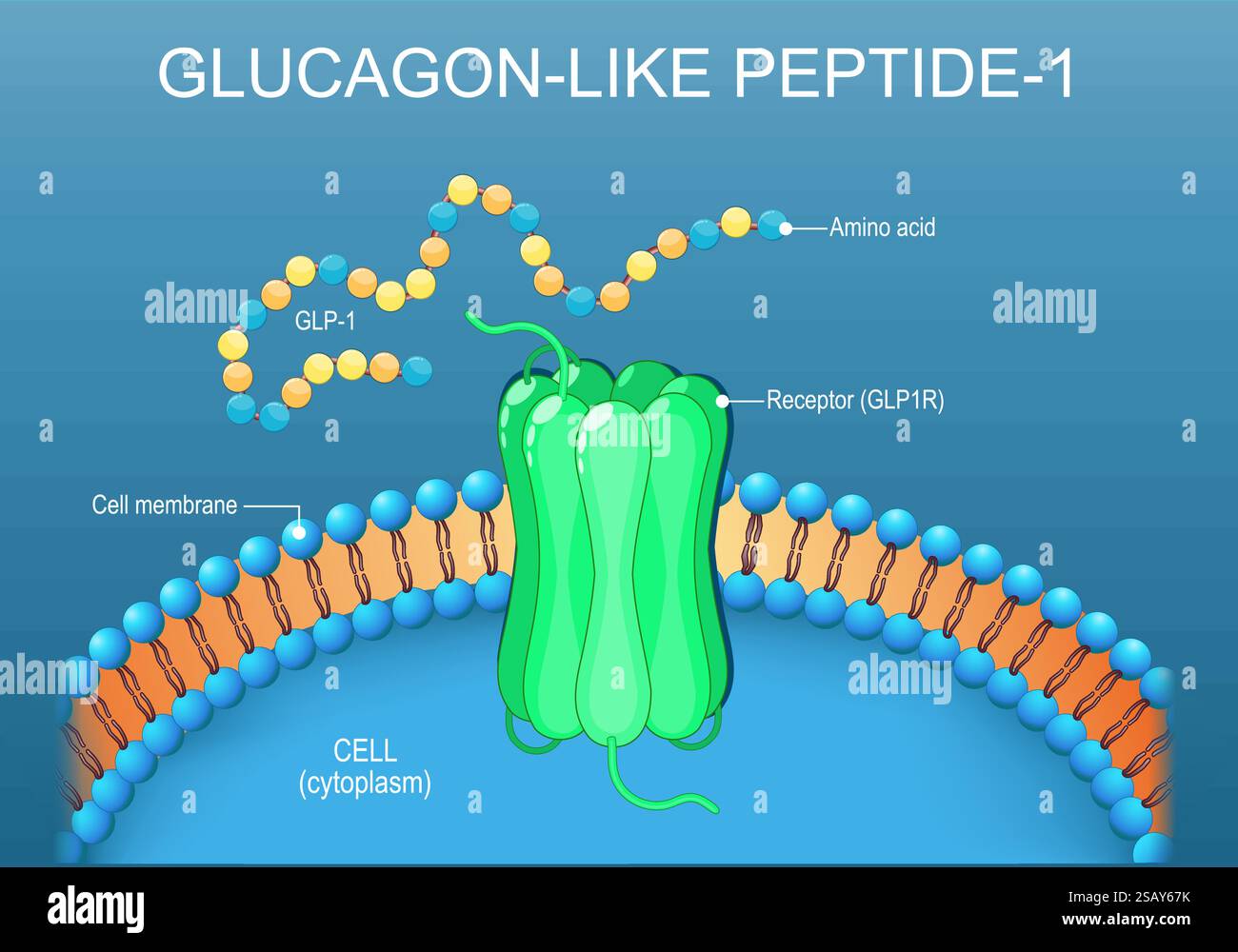
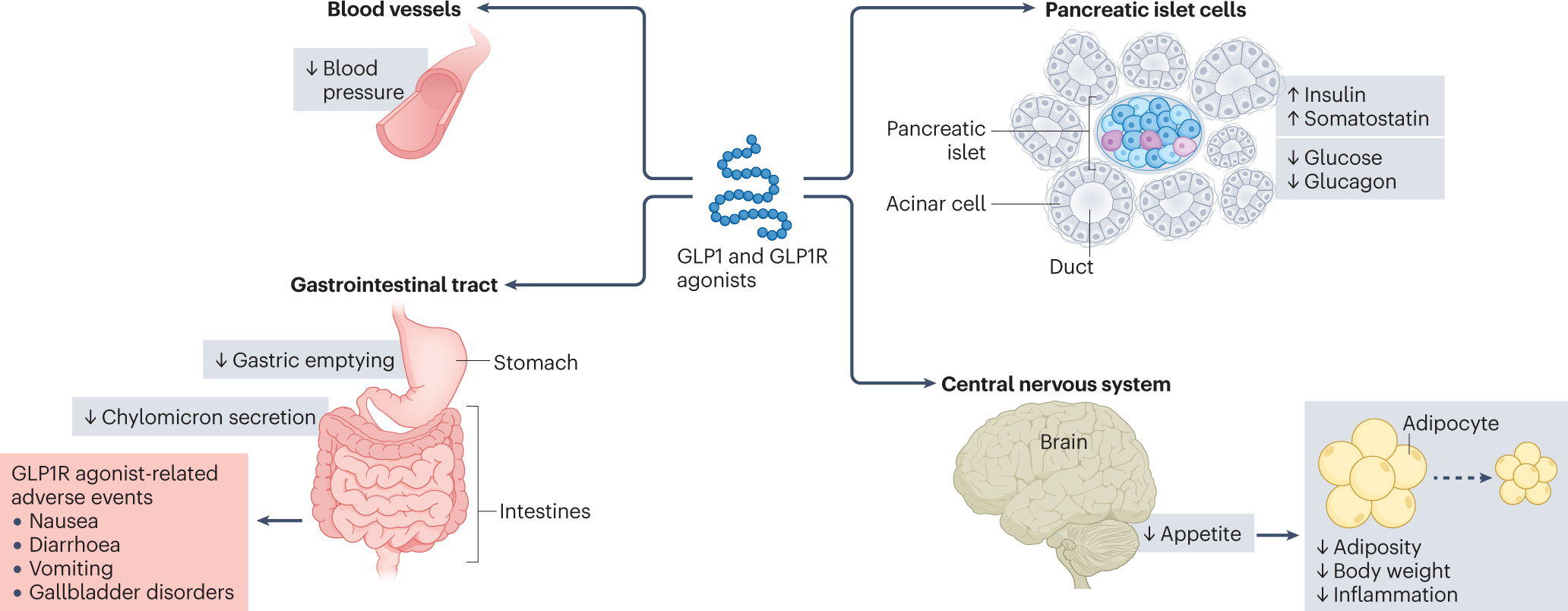
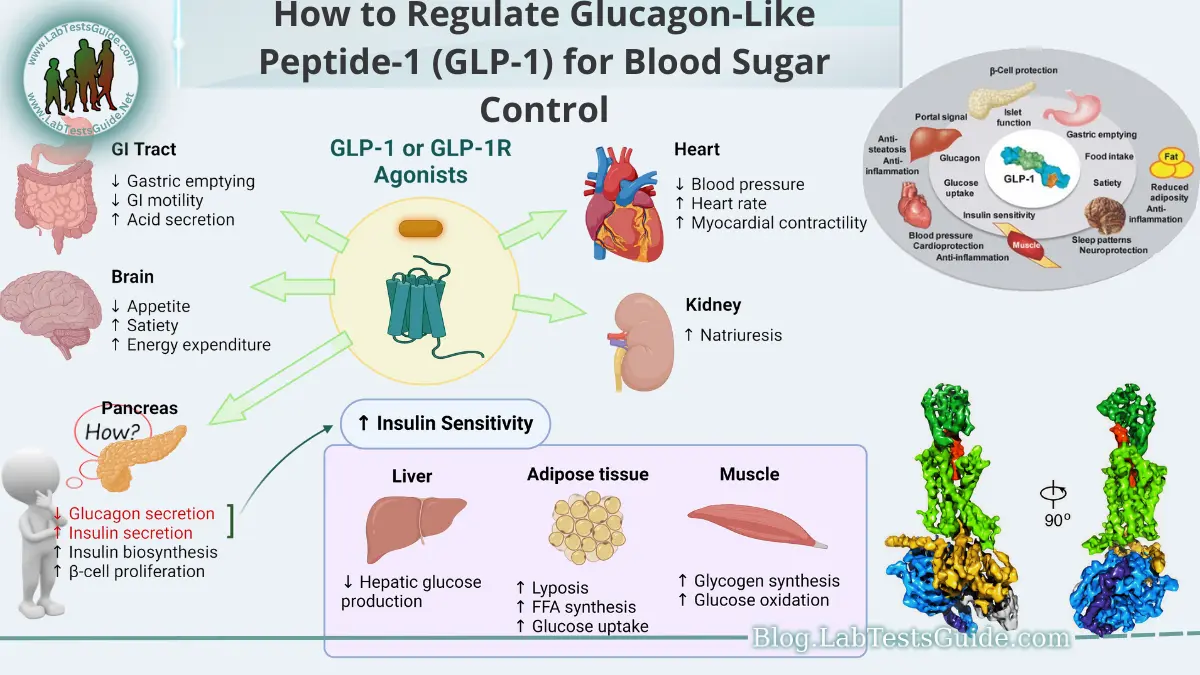
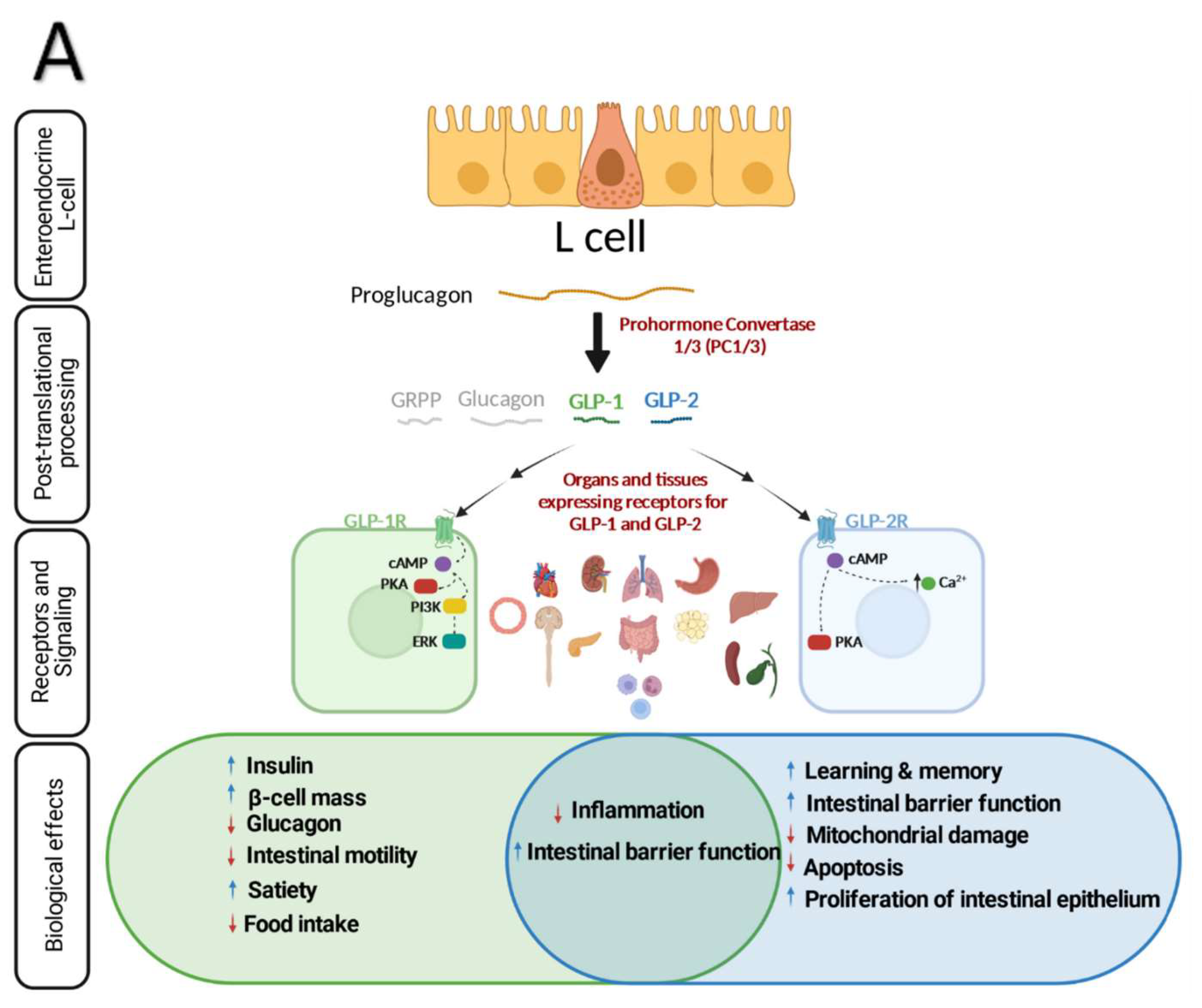
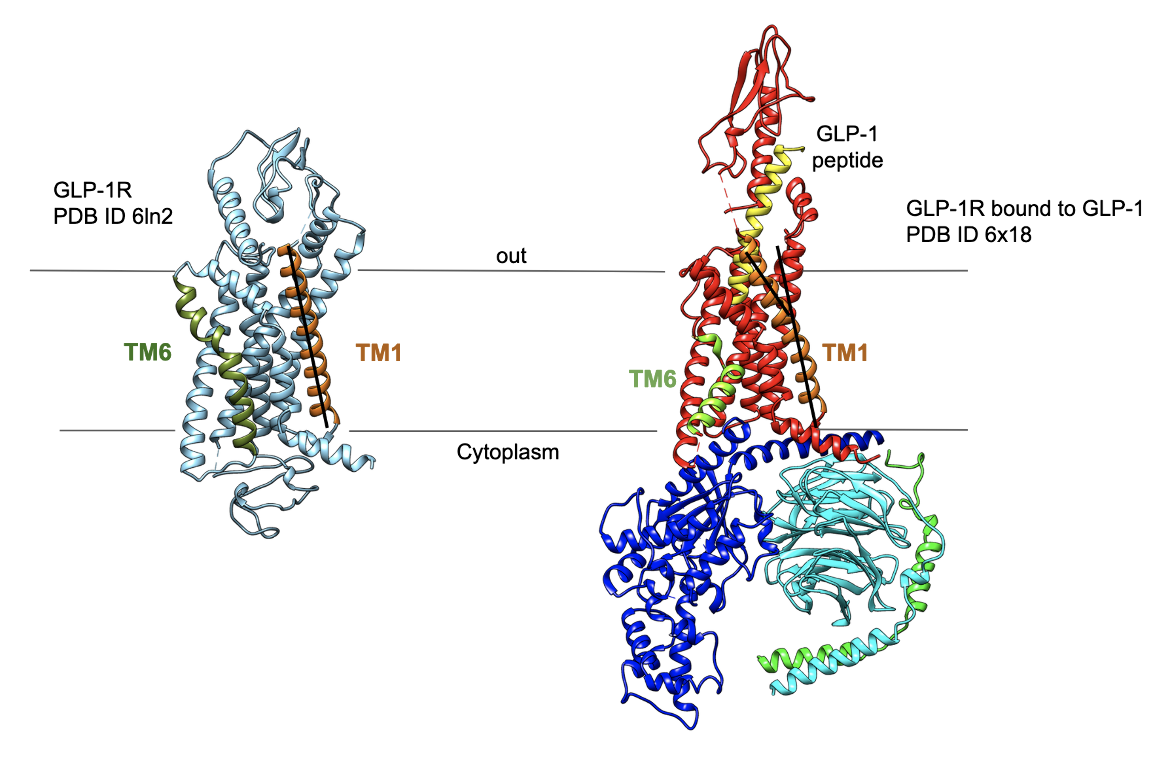
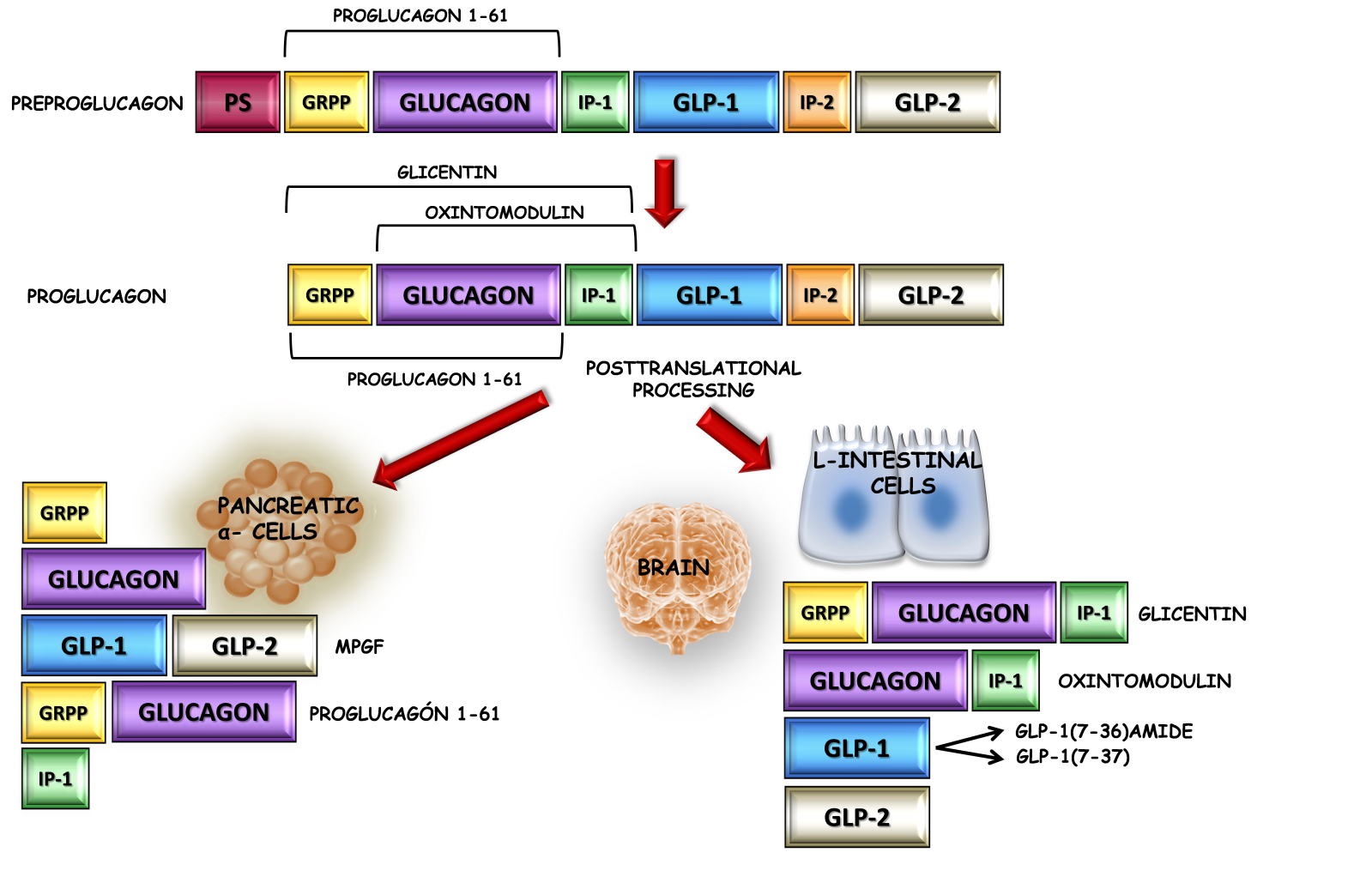
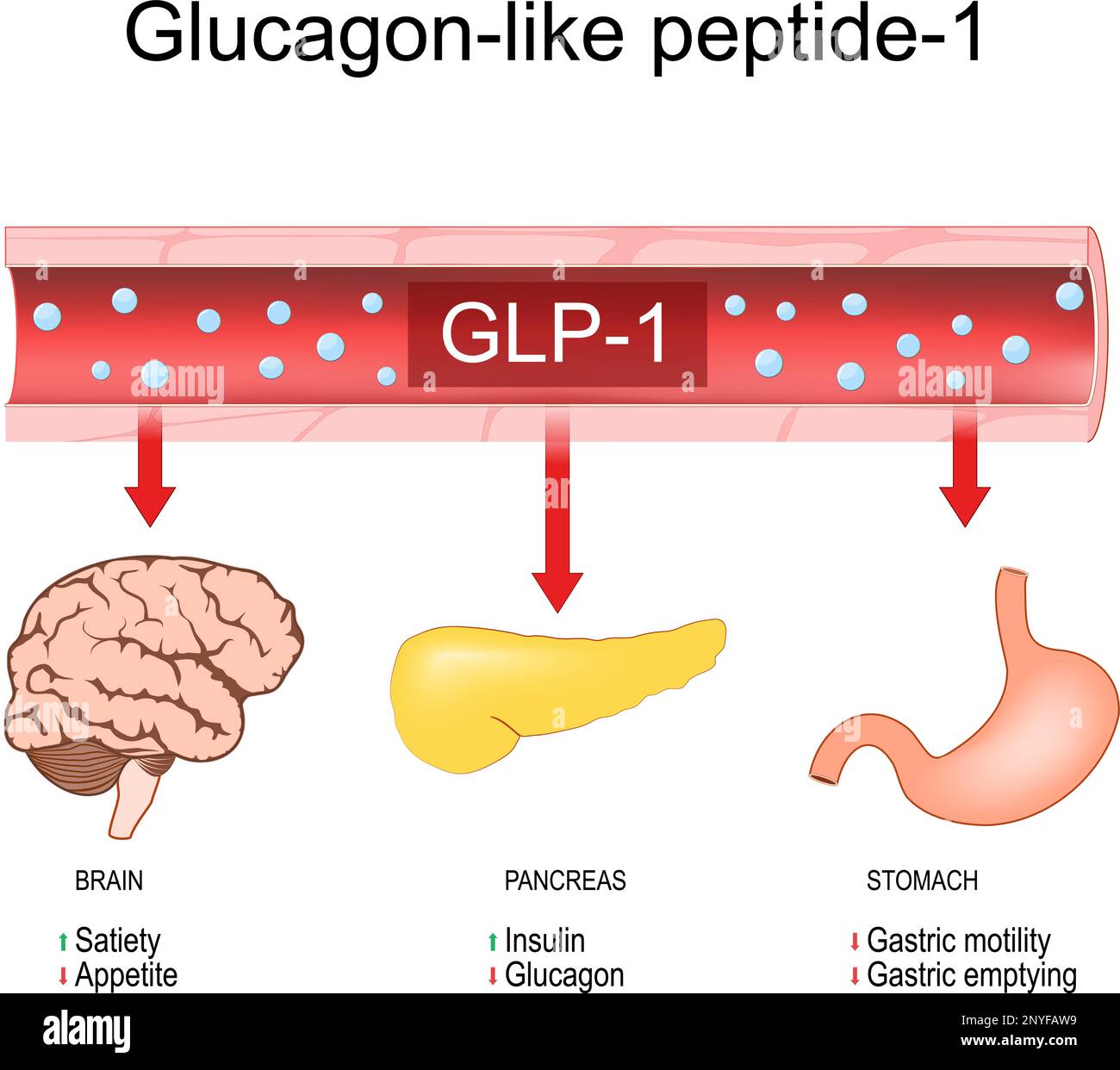
GLP-1, also known as glucagon-like peptide 1, is an incretin hormone produced by the intestines in response to food intake. It stimulates insulin secretion from the pancreas, inhibits glucagon release, and slows gastric emptying, all of which help regulate blood sugar levels. The GLP1R is a G protein-coupled receptor that is activated by GLP-1, leading to a cascade of downstream effects that ultimately help control blood sugar levels.
GLP-1 and GLP1R: A Therapeutic Opportunity
GLP-1 agonists, such as semaglutide (Ozempic) and liraglutide (Victoza), have been shown to improve glycemic control, reduce body weight, and lower blood pressure in patients with type 2 diabetes. These medications work by activating the GLP1R, which leads to increased insulin secretion, reduced glucagon levels, and slowed gastric emptying.
Benefits of GLP-1 Agonists
- Improved glycemic control: GLP-1 agonists have been shown to reduce HbA1c levels, a measure of average blood sugar levels over the past 2-3 months.
- Weight loss: GLP-1 agonists have been associated with significant weight loss in patients with type 2 diabetes.
- Cardiovascular benefits: GLP-1 agonists have been shown to reduce the risk of major adverse cardiovascular events, such as heart attacks and strokes.
- Reduced risk of kidney disease: GLP-1 agonists have been shown to reduce the risk of kidney disease and kidney failure in patients with type 2 diabetes.
Applications of GLP-1 Agonists
GLP-1 agonists have a wide range of applications in diabetes management, including:
- Treatment of type 2 diabetes: GLP-1 agonists are indicated for the treatment of type 2 diabetes, including those with a history of cardiovascular disease.
- Weight loss: GLP-1 agonists have been approved for weight loss in patients with a body mass index (BMI) of 30 or higher.
- Cardiovascular disease prevention: GLP-1 agonists have been shown to reduce the risk of major adverse cardiovascular events, making them a potential treatment option for patients with cardiovascular disease.
Future Directions
As our understanding of GLP-1 and GLP1R continues to grow, so too do the potential applications of GLP-1 agonists. Researchers are exploring the use of GLP-1 agonists in combination with other medications to improve glycemic control and reduce cardiovascular risk. Additionally, GLP-1 agonists are being investigated as a potential treatment for other conditions, such as non-alcoholic fatty liver disease and polycystic ovary syndrome.
Conclusion
GLP-1 and GLP1R play a critical role in regulating blood sugar levels, and their agonists have revolutionized the treatment of type 2 diabetes. With their ability to improve glycemic control, reduce weight, and lower cardiovascular risk, GLP-1 agonists are a valuable addition to the arsenal of diabetes medications. As research continues to uncover the full potential of GLP-1 agonists, we can expect to see even more innovative applications in the years to come.
References:

- Kowluru, R. A. (2020). Glucagon-like peptide-1 receptor agonists in the treatment of type 2 diabetes. Journal of Clinical Endocrinology and Metabolism, 105(11), 4345-4356.
- Dailey, G., & Boulton, A. J. M. (2019). Glucagon-like peptide-1 receptor agonists for the treatment of type 2 diabetes. Journal of Diabetes, 11(6), 495-507.
- Nauck, M. A., & Meier, J. J. (2018). Glucagon-like peptide-1 (GLP-1) and its agonists. Diabetes, Obesity and Metabolism, 20(12), 2751-2763.
FAQs
Q: What is GLP-1 and GLP1R?
A: GLP-1 is an incretin hormone produced by the intestines in response to food intake, and GLP1R is a G protein-coupled receptor that is activated by GLP-1.
Q: How do GLP-1 agonists work?
A: GLP-1 agonists work by activating the GLP1R, which leads to increased insulin secretion, reduced glucagon levels, and slowed gastric emptying.
Q: What are the applications of GLP-1 agonists?
A: GLP-1 agonists have a wide range of applications in diabetes management, including treatment of type 2 diabetes, weight loss, and cardiovascular disease prevention.